Bottom Line Up Front
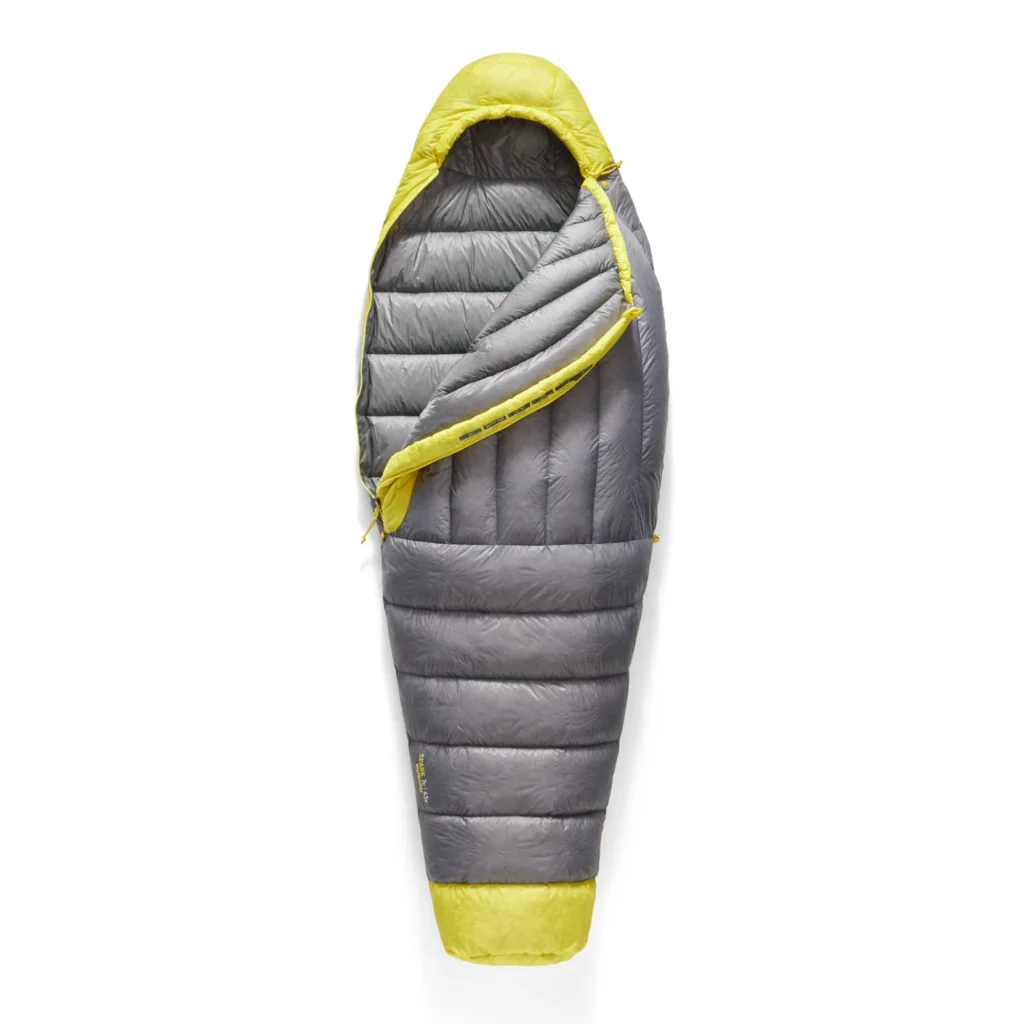
The Sea to Summit Spark is one of the best ultralight sleeping bags available to Australian hikers. Built by an Australian brand with 35 years of experience, it delivers an exceptional warmth-to-weight ratio using 850+ fill power goose down in a featherweight 10D shell that packs down to the size of a water bottle.
It is not cheap and it is not for everyone. But for hikers doing serious multi-day trips who understand that a good sleeping bag and tent are the two pieces of kit you should not compromise on, the Spark earns its price tag.
The Spark -1°C is the sweet spot for most Australian conditions — adequate for three-season hiking across most of the country, though hikers heading into alpine NSW, Tasmania in winter, or New Zealand’s South Island should consider a warmer rating or carry a liner.
Key Specifications
| Feature | Value |
|---|---|
| Down fill power | 850+ RDS certified goose down |
| Shell fabric | 10D nylon with PFC-free DWR |
| Lining fabric | 10D breathable nylon |
| Comfort rating | -1°C |
| Lower limit | -7°C |
| Weight (regular) | ~490g |
| Packed size | ~1 litre |
| Price (AUD) | $500–$600 |
| Best use | Multi-day backpacking, 3-season |
| Brand origin | Australian — founded Perth, 1991 |
Who This Bag Is For
The Spark -1°C is built for multi-day hikers who hike frequently and care about pack weight. If your tent and sleeping bag are taking up half your pack volume and weighing you down every morning, this is exactly the kind of upgrade that makes a meaningful difference over a full trip.
It is well suited to:
- Multi-day hikers doing trails like the Overland Track, Larapinta, Three Capes, or Jatbula
- Ultralight backpackers counting every gram
- Hikers who travel frequently and want one premium bag that covers most Australian conditions
- New Zealand three-season hiking
Do not buy this bag if:
- You primarily car camp or do short overnight trips where pack weight is irrelevant — a $150 synthetic bag does the same job for that use case
- You are a cold sleeper heading into alpine or winter conditions — the -1°C comfort rating will leave you cold in serious mountain conditions; go warmer
- You are new to hiking and unsure how frequently you will use it — the price premium only makes sense if you are out regularly
- You sleep restlessly and find mummy bags claustrophobic — the slim fit is a genuine consideration, discussed below
Why Sea to Summit — The Australian Angle
Sea to Summit was founded in Perth in 1991 and has been designing and testing gear in Australian conditions for over 35 years. For Australian buyers this matters — the brand genuinely understands local conditions, the gear has been refined over decades of real-world use in Australian terrain, and the quality reflects that heritage.
It sits at the mid-range to premium end of the market — not the absolute top tier of expedition sleeping bags, but consistently reliable, well constructed, and available with an impressive range of options across temperature ratings, lengths, and fits. The brand’s attention to detail shows in small ways: the range of sizes available, the quality of the down certification, the thoughtful ventilation design.
For Australian hikers choosing between a generic imported bag and a Sea to Summit, the brand’s local credentials are a genuine differentiator.
The Down — Why 850+ Fill Power Matters
The Spark uses RDS-certified 850+ fill power goose down treated with Ultra-Dry water-repellent treatment. Fill power is a measure of down quality — how much space one ounce of down occupies when fully lofted. Higher fill power means more warmth per gram, which is why premium ultralight bags can weigh 490g while budget bags at the same temperature rating weigh twice that.
The Ultra-Dry treatment addresses the traditional weakness of down — moisture absorption. Wet down loses its loft and insulating properties rapidly. The treatment significantly improves moisture resistance without adding meaningful weight, making it more practical for the variable conditions Australian hikers encounter.
Temperature Rating — Honest Assessment for Australian Conditions
The Spark -1°C has a comfort rating of -1°C and a lower limit of -7°C. Understanding what these numbers mean in practice is important.
The comfort rating is the temperature at which an average adult sleeper will be comfortable. The lower limit is the temperature at which a cold but experienced sleeper can survive the night — not sleep comfortably, survive.
For most Australian multi-day hiking conditions this bag is adequate. The Overland Track in shoulder season, the Larapinta at night, the Blue Mountains in autumn — the -1°C bag covers these comfortably for average sleepers.
Where it becomes marginal is alpine NSW and Victoria in shoulder seasons, Tasmania in winter, and New Zealand’s South Island in autumn and spring. Nights in these environments can drop well below -1°C and if you run cold you will notice it.
The honest advice: if you know you will regularly be in these colder environments, buy the -7°C or -9°C Spark variant instead. You can always unzip and ventilate if you are too warm — there is nothing you can do if you are cold and your bag is not rated for the conditions.
On liners: they can add 3–5°C of warmth and extend a bag’s usable range. However they add weight, take up space, and add another layer of complexity to your sleep system. For most hikers a correctly rated bag is the cleaner solution.
The Mummy Fit — What to Expect
The Spark uses a contoured mummy shape — narrow at the feet, wider at the shoulders, with a fitted hood. This is the correct design for a technical sleeping bag because it minimises dead air space and maximises thermal efficiency.
The practical reality: if you move around a lot in your sleep, the hood can rotate and you may wake up with your face against the fabric. This is a feature of mummy bags generally, not a flaw specific to the Spark, and most hikers adapt to it. The key is making sure you select the correct length — a bag that is too short at the feet will be genuinely uncomfortable and a bag with excess length loses thermal efficiency.
If the mummy shape concerns you, make sure you try the bag in-store before buying. Some hikers find them claustrophobic; others sleep perfectly comfortably in them after a night or two of adjustment.
One practical note: you can always open the zip if you are too warm. You cannot generate warmth if you are cold. When in doubt, size toward a warmer rating rather than relying on the lower limit to keep you comfortable.
Sea to Summit Spark vs Competitors
| Feature | Sea to Summit Spark -1°C | Thermarest Hyperion 20°F | Marmot Phase 20 |
|---|---|---|---|
| Weight | ~490g | ~400g | ~680g |
| Comfort rating | -1°C | -7°C | -7°C |
| Fill power | 850+ | 800 | 850 |
| Price (AUD) | $500–$600 | $650–$750 | $500–$600 |
| Australian brand | Yes | No | No |
| Best for | 3-season AU hiking | Ultralight cold conditions | Comfort-focused hikers |
The Thermarest Hyperion is lighter and rated colder but at a higher price point. The Marmot Phase 20 offers more interior space and is better for restless sleepers but carries a weight penalty. For most Australian three-season hiking the Spark -1°C hits the best balance of weight, warmth, and price.
Australian Availability
The Sea to Summit Spark range is widely available across Australia at Paddy Pallin, Snowys, Wild Earth, and Backpacking Light Australia. It is also available on Amazon AU. Pricing ranges from $500–$600 AUD for the -1°C model depending on size and retailer.
Sea to Summit also sells direct through their Australian website at seatosummit.com.au with free shipping and a lifetime guarantee — worth checking for current pricing.
Check out price on Amazon
Check out price on eBay
Verdict
The Sea to Summit Spark -1°C is an excellent sleeping bag for serious Australian multi-day hikers. It is premium but not overpriced for what it delivers — exceptional warmth-to-weight ratio, quality Australian brand with a genuine track record, and a packed size that stops being an issue when you are trying to fit everything into a 58L pack.
Buy it if you hike frequently and want a bag that will last years and cover most Australian conditions. Look at a warmer variant if you are regularly in alpine or winter environments. Skip it entirely if you are a casual car camper — there are far cheaper options for that use case.
Best for: Multi-day backpacking, Overland Track, Larapinta, New Zealand three-season, weight-conscious hikers
Not for: Car camping, cold sleepers in alpine conditions, infrequent hikers who cannot justify the cost
ot for: Car camping, cold sleepers in alpine conditions, infrequent hikers who cannot justify the cost
TrailKitLab — written by hikers, for hikers
1 thought on “Sea to Summit Spark Sleeping Bag Review — Is It Worth It for Australian Hikers?”