Bottom Line Up Front
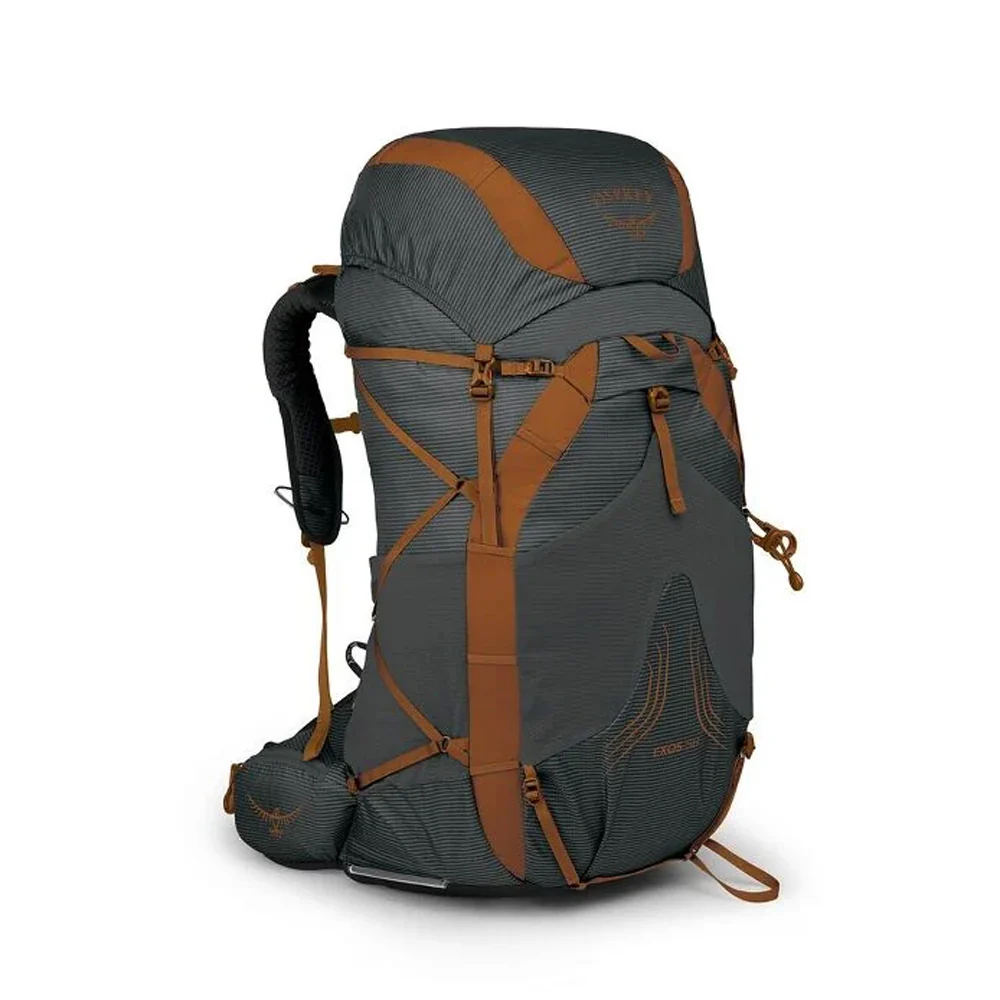
The Osprey Exos 58 is the most consistently recommended ultralight backpack for Australian multi-day hikers and for good reason. It strikes the right balance between weight, comfort, and practical packing design in a way that very few packs at this price point manage. At 1.18kg it is genuinely light without sacrificing the structural support and hip belt quality that matters on day three of a multi-day hike.
If you are looking for one pack to cover the majority of Australian multi-day hiking — Overland Track, Larapinta, Three Capes, New Zealand Great Walks — the Exos 58 is the answer. It is not the lightest option available and it is not built for expedition-level loads. What it is, is an extremely well-designed, comfortable, and logically organised pack that works hard without drawing attention to itself.
Key Specifications
| Feature | Value |
|---|---|
| Weight | 1.18kg |
| Capacity | 58L |
| Frame | Suspended Airspeed mesh |
| Hip belt | Padded with zip pockets |
| Fit system | Size-specific |
| Max comfortable load | ~18kg |
| Price (AUD) | ~$447 |
| Australian availability | Paddy Pallin, Anaconda, Snowys, Amazon AU |
| Best use | Multi-day backpacking, 3–7 days |
Who This Pack Is For
The Exos 58 is built for serious multi-day hikers carrying a well-organised kit who want a lightweight pack that does not compromise on comfort. It suits hikers who have done enough trips to know what they need and want a pack that gets out of the way and lets them hike.
It works well for:
- Multi-day hikers carrying 10–18kg across 3–7 day routes
- Thru-hikers on longer Australian trails
- Ultralight hikers who want structure and comfort without expedition-level weight
- First multi-day pack buyers who want something they will not outgrow quickly
Do not buy this pack if:
- You are carrying more than 18–20kg regularly — the Exos suspension starts to feel inadequate above this weight and a more load-focused pack like the Gregory Zulu 55 will serve you better
- You need expedition capacity beyond 58L — this pack has a defined ceiling on both volume and load
- You are a day hiker or occasional overnighter — the Exos is purpose-built for multi-day use and is overkill for lighter applications
What Makes It Stand Out
The Comfort
This is the thing a spec sheet does not capture. The Exos 58 is simply extremely comfortable to wear. The combination of a well-padded hip belt, a logical weight distribution system, and a back panel that sits correctly means you can put this pack on, load it properly, and forget about it for hours at a time. That sounds basic but it is genuinely the most important thing a multi-day pack can do.
The fit system is size-specific — you need to select the right torso size when buying. This is worth taking seriously. An Exos 58 in the right size is noticeably more comfortable than one in the wrong size regardless of how good the pack is. Osprey’s website has a clear sizing guide and most Australian outdoor retailers can measure you in-store.
The Packing Structure
The Exos 58 is logically laid out in a way that rewards organised hikers. The main compartment is large and accessible, the sleeping bag compartment at the base is separated cleanly, the top lid has two pockets sized appropriately for things you need quickly, and the hip belt pockets are large enough for a phone and snacks. Nothing is in a strange place. Everything makes sense. After a long day on trail when you are tired and just want to get to your tent, that logic compounds.
The Airspeed Back Panel
The suspended mesh back panel creates a gap between your back and the pack body — Osprey’s Airspeed design. This serves two purposes: it reduces friction and rubbing on your back over a long day, and in warm conditions it allows airflow that makes a meaningful difference.
In Australian summer conditions — anything above 25°C — the ventilation gap is genuinely useful. The difference between a pack pressed directly against your back and one with an air gap is noticeable on a hot day. It will not keep you cool, but it reduces the clammy, stuck-to-your-back feeling that direct contact creates. On a multi-day summer hike in Queensland or the NT where temperatures regularly exceed 30°C, this matters.
In cooler conditions the benefit is less pronounced but the reduced friction remains a comfort advantage regardless of temperature.
Build Quality
Osprey is at the premium end of the backpack market and the Exos 58 reflects that. The materials are high quality, the zippers and attachment points are robust, and the pack feels like it is built for years of serious use. The hip belt and shoulder straps are well padded without being bulky, and the adjustment system is straightforward enough to dial in quickly at the start of each day.
The Weight Question
At 1.18kg the Exos 58 sits in the right category for an ultralight multi-day pack. It is not the lightest 58L option available — the Gossamer Gear Mariposa 60 at around 500g is dramatically lighter — but the Gossamer is a frameless pack that requires a very specific packing discipline and does not suit everyone.
The Exos 58 hits the practical sweet spot: light enough that it does not become a burden, structured enough that it carries a real load comfortably. For most Australian hikers this is the more useful trade-off than chasing the absolute lightest option.
Osprey Exos 58 vs Gregory Zulu 55
These are the two most directly comparable mid-weight to ultralight packs for Australian buyers at a similar price point.
| Feature | Osprey Exos 58 | Gregory Zulu 55 |
|---|---|---|
| Weight | 1.18kg | 1.91kg |
| Capacity | 58L | 55L |
| Max load | ~18kg | ~22kg |
| Back panel | Airspeed mesh | Tensioned mesh |
| Torso fit | Size-specific | 3.5 inch adjustable |
| Hip belt | Standard padded | FreeFloat 3D |
| Price (AUD) | ~$447 | ~$280–$380 |
| Best for | Ultralight multi-day | Heavy load multi-day |
The Exos 58 is lighter and more expensive. The Zulu 55 is heavier, cheaper, more adjustable, and handles heavier loads better. Choose the Exos if weight is your priority and you carry 10–18kg. Choose the Zulu if you carry heavier loads or want a more adjustable fit at a lower price.
Comparing the Exos 58 to the Gregory Zulu 55? Read our full Osprey Exos 58 vs Gregory Zulu 55 comparison.
Australian Trails — Where the Exos 58 Performs Best
The Exos 58 is well suited to the majority of Australian multi-day hiking routes:
- Overland Track (Tasmania) — 6 days, full camping kit, well-marked trail. The Exos handles this comfortably within its load range
- Larapinta Trail (NT) — remote, hot conditions where the Airspeed ventilation earns its place
- Three Capes Track (Tasmania) — 4 days, moderate loads, excellent fit for the Exos capacity
- Grampians Peaks Trail (Victoria) — 3–5 days, varied terrain, within the Exos comfort zone
- New Zealand Great Walks — 3–7 days, well-serviced trails, ideal Exos territory
Where the Exos starts to feel less suited is on longer remote routes carrying expedition loads — the South Coast Track in Tasmania or extended Kimberley routes where you may be carrying 20kg or more. For these, a more load-focused pack is a better choice.
Australian Availability
The Osprey Exos 58 is one of the most widely available ultralight packs in Australia. You will find it at Paddy Pallin, Anaconda, Snowys, Wild Earth, and online retailers. It is also available on Amazon AU at approximately $447 AUD and on eBay AU. Given the size-specific fit system, trying it in-store before buying is worth doing if you have access to a retailer — the difference between a correctly and incorrectly sized Exos is significant.
Verdict
The Osprey Exos 58 earns its reputation as the go-to ultralight multi-day pack for Australian hikers. It is comfortable, well-organised, built to last, and priced at a point that makes it accessible without feeling like a compromise. The Airspeed back panel adds genuine value in Australian summer conditions, and the packing logic makes it a pleasure to use day after day on trail.
For most Australian hikers doing multi-day routes with a well-organised 10–18kg kit, this is the pack to buy.
Best for: Multi-day hiking 3–7 days, Overland Track, Larapinta, Three Capes, Grampians, New Zealand Great Walks, summer hiking in warm Australian conditions
Not for: Heavy expedition loads over 18–20kg, day hikers, those needing adjustable torso fit
Check Price on Amazon
Check Price on eBay
TrailKitLab — written by hikers, for hikers
6 thoughts on “Osprey Exos 58 Review – The Best All-Round Ultralight Pack for Australian Hikers?”