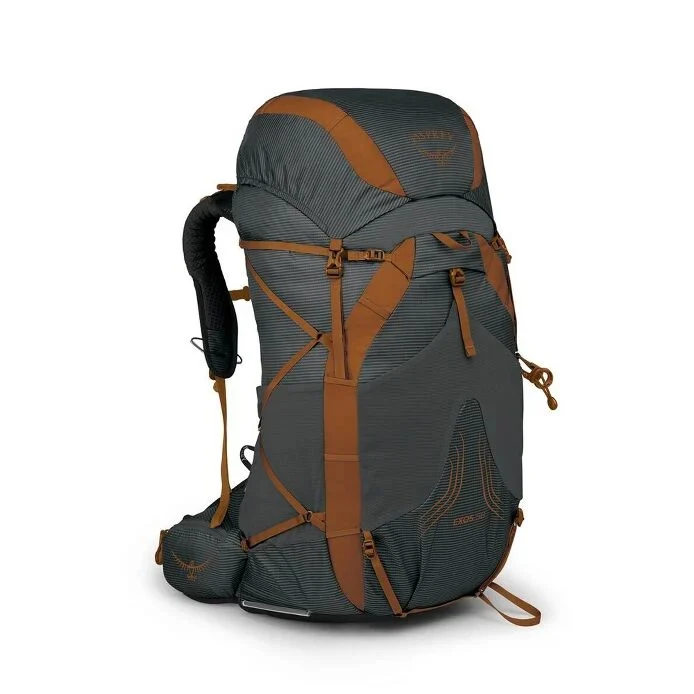
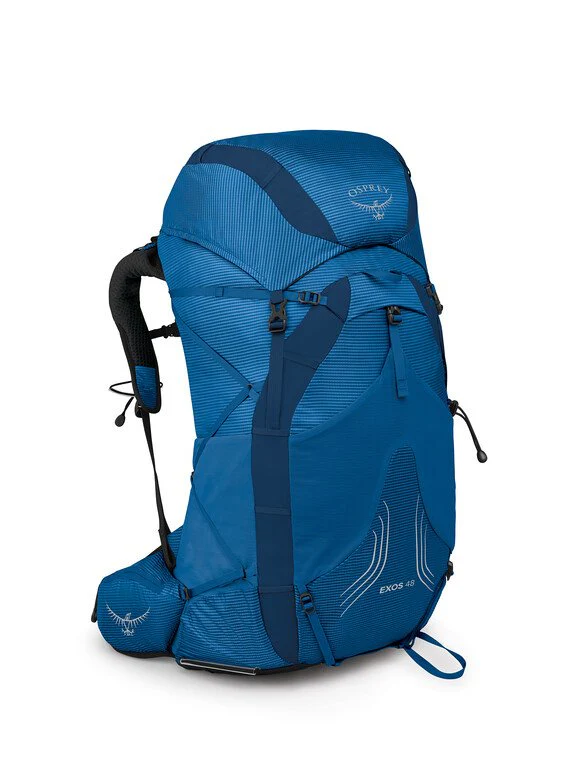
Bottom Line Up Front
The Osprey Exos 48 and Osprey Exos 58 are the same pack in almost every way that matters — same suspension, same materials, same premium build quality, same fit system. The decision between them comes down to one practical question: how much space do you actually need?
For multi-day hiking with a full camping kit, buy the Exos 58. The extra 10 litres is not a luxury — it is the difference between packing comfortably and spending twenty minutes reorganising your gear every morning on trail. The $150 AUD price difference is real but the Exos 58 is worth it for anyone doing overnight trips and beyond.
The Exos 48 makes sense as a large day pack or for experienced ultralight hikers with highly optimised, minimal gear setups doing one to two night trips maximum.
Key Specifications
| Feature | Osprey Exos 48 | Osprey Exos 58 |
|---|---|---|
| Capacity | 48 L | 58 L |
| Weight | 1.13 kg | 1.18 kg |
| Weight difference | — | +50g |
| Max comfortable load | ~15 kg | ~18 kg |
| Hip belt pockets | Yes | Yes |
| Back panel | Airspeed trampoline mesh | Airspeed trampoline mesh |
| Fit system | Size-specific | Size-specific |
| Australian price | ~$350–$400 | ~$490–$550 |
| Best use | Day hiking, 1–2 night trips | Multi-day, 3–7 nights |
The Weight Difference Is Irrelevant
At 50 grams, the weight difference between these two packs is one small energy bar. It is genuinely not a factor in this decision and should be ignored entirely.
Anyone fixating on 50g while choosing between a 48L and 58L pack is optimising the wrong variable. If weight is genuinely your primary concern, neither of these packs is the answer — the Granite Gear Crown3 60 at around 900g gives you more capacity at significantly less pack weight. The Exos range is for hikers who want premium comfort and build quality at a reasonable weight, not for those chasing the absolute lightest possible setup.
Make this decision based on capacity and budget, not grams.
The 10 Litre Difference — Bigger Than It Sounds
This is the crux of the comparison and it deserves an honest answer.
Ten litres sounds modest on paper. In practice, when you are trying to fit a tent, sleeping bag, sleeping mat, three days of food, a cook system, water, rain gear, and spare clothing into a pack, those ten litres represent the difference between packing with room to breathe and playing three-dimensional Tetris every morning.
The Exos 58 is the right size for a well-organised ultralight setup on a multi-day Australian hike — it fits comfortably but requires thoughtful packing. The Exos 48 with the same kit requires you to be genuinely disciplined about every item you bring. A smaller or lighter person with smaller clothing volume may get away with it for a night or two, but for most hikers attempting to be fully self-sufficient with camping gear, the 48 will feel constrained.
The practical test: if you are carrying a tent, sleeping bag, mat, stove, food for three or more days, and wet weather gear, buy the 58. If you are doing one night out with an ultralight setup you have refined over multiple trips, the 48 is worth considering.
What Makes the Exos Range Worth Buying
Both packs share the same core features that make the Exos one of the most popular multi-day packs in Australia.
Build Quality and Materials
Osprey is at the premium end of the backpack market and the Exos range reflects that. The materials are high quality, the stitching and attachment points are robust, and the pack feels like it is built to last years of serious use rather than a few seasons. The strapping system is well designed with multiple adjustment points that allow a genuinely personalised fit — important on a pack you will be wearing for eight hours a day.
The Fit System
Both packs come in size-specific fits rather than one-size-adjustable, which means you need to select the right size for your torso length when buying. This is worth checking before purchase — Osprey’s website has a straightforward sizing guide. A correctly fitted Exos is noticeably more comfortable than an incorrectly fitted one, and unlike some packs with adjustable torsos you cannot compensate for a wrong size selection after the fact.
The Airspeed Back Panel
The trampoline-style mesh back panel creates a gap between your back and the pack body, which reduces direct contact and the associated rubbing and heat buildup. In warm Australian conditions this does make a genuine difference to comfort — less friction on your back over a long day is noticeable and welcome. It will not stop you sweating on a hard day, but it reduces the clammy, stuck-to-your-back feeling that solid back panels create.
Hip Belt and Load Transfer
The Exos hip belt is comfortable and well padded for a pack in this weight category, with zippered pockets on both sides for quick-access items. It handles loads up to around 15kg well. Above that weight — particularly carrying 18–20kg — you will start to feel the limits of the suspension system. This is not a pack designed for expedition-level loads. For typical multi-day hiking carrying 10–15kg it is excellent.
Load Limits — Be Honest With Yourself
The Exos range is optimised for lighter loads and this is worth understanding before you buy.
Up to around 15kg both packs carry comfortably and the suspension does its job well. Push toward 18–20kg and you will notice the hip belt and frame working harder than they should — the pack is not designed to transfer that load efficiently and your shoulders will feel it by the end of a long day.
For context, a typical well-organised multi-day Australian hiking kit — ultralight tent, sleeping bag, mat, stove, three days food, water, and clothing — will sit between 10–16kg depending on your gear choices. The Exos handles this range well. If you are regularly carrying more than this, look at a more load-focused pack like the Gregory Zulu 55 or Osprey Atmos AG 65 instead.
Which Pack for Which Australian Trail?
Exos 58 — recommended for:
- Overland Track (Tasmania) — 6 days, full camping kit required, no resupply
- Larapinta Trail (NT) — multi-day sections, exposed conditions, volume matters
- Three Capes Track (Tasmania) — 4 days, hut-based but gear still adds up
- Jatbula Trail (NT) — 5 days, remote, first-time multi-day hikers especially
- New Zealand Great Walks — varied terrain, 3–7 days
Exos 48 — suitable for:
- Blue Mountains overnight trips — 1–2 nights, accessible, limited kit needed
- Weekend hikes with highly optimised ultralight gear
- Large day pack for big single-day routes
If you are doing your first multi-day hike in Australia, buy the Exos 58. When you run out of space in a pack there is nothing you can do about it on trail. Starting a trip having had to leave essential gear behind because it would not fit is a poor introduction to multi-day hiking. The extra $150 is worth it.
Osprey Exos 48 vs Exos 58 — Direct Comparison
| Decision factor | Choose Exos 48 | Choose Exos 58 |
|---|---|---|
| Trip length | 1–2 nights max | 3+ nights |
| Gear setup | Highly optimised ultralight | Standard to ultralight |
| Primary use | Day hiking + occasional overnight | Dedicated multi-day pack |
| Budget | More price sensitive | Happy to invest properly |
| Body size | Smaller frame, less clothing volume | Average to larger frame |
| First multi-day hike | Not recommended | Yes |
Australian Availability and Pricing
Both packs are widely available across Australia at Paddy Pallin, Anaconda, Snowys, Wild Earth, and online retailers. The Exos 48 typically retails at $350–$400 AUD and the Exos 58 at $490–$550 AUD — a meaningful $150 difference that is worth factoring into your decision. Both are also available on Amazon AU and eBay AU.
Given the price gap, the Exos 48 can represent good value if your use case genuinely fits — a large day pack or an occasional one-night trip. As a dedicated multi-day pack the Exos 58 justifies the premium.
Verdict
The Osprey Exos range is one of the best mid-weight backpacking options available in Australia. Premium materials, excellent fit adjustability, comfortable ventilated back panel, and strong local availability make both packs easy to recommend.
Between the two: choose the Exos 58 for multi-day hiking. The 50g weight difference is irrelevant, the 10 litre capacity difference is significant, and the price difference — while real — is worth paying for a pack you will not be fighting with on trail.
Exos 48 — best for: Day hiking, 1–2 night ultralight trips, smaller framed hikers, budget-conscious buyers
Check Price on Amazon
Check Price on eBay
Exos 58 — best for: Multi-day hiking, first-time overnight hikers, Overland Track, Larapinta, Jatbula, New Zealand Great Walks
Check Price on Amazon
Check Price on eBay