Bottom Line Up Front
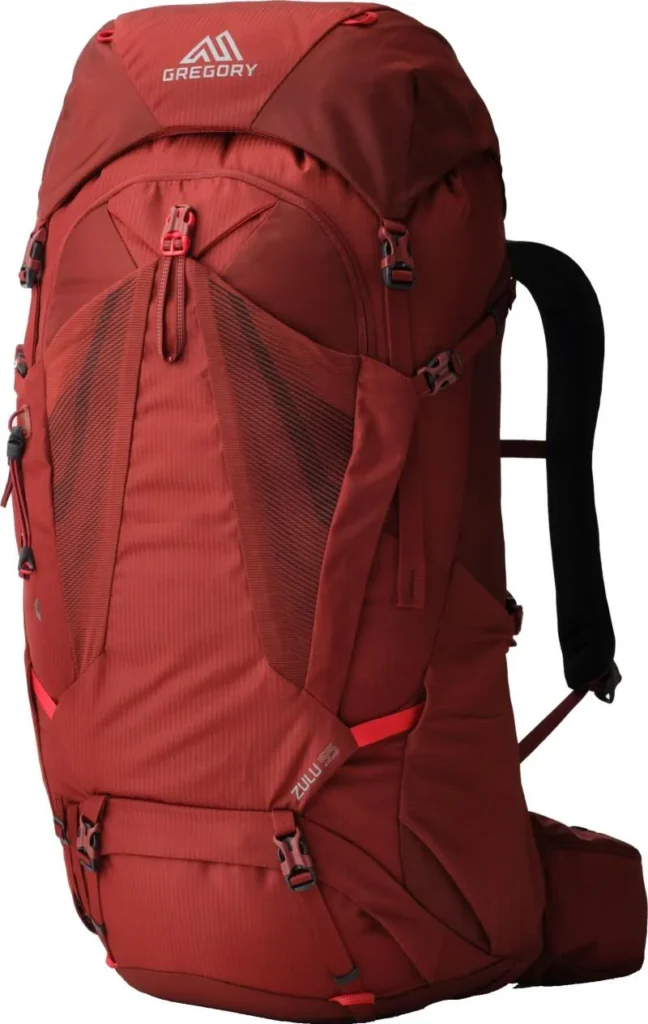
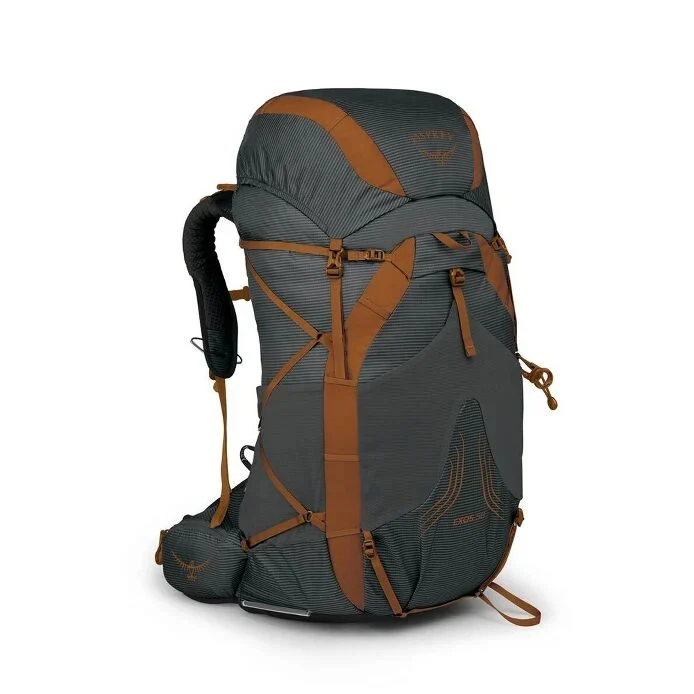
The Osprey Exos 58 and Gregory Zulu 55 are the two most recommended mid-weight backpacks for Australian multi-day hikers and they serve distinctly different buyers. They are not as directly comparable as their similar names and price points suggest — they are built around different philosophies and suit different types of hiking.
The Osprey Exos 58 is the right choice if weight is your priority and you are carrying a well-optimised 10–18kg kit. It is lighter, more expensive, and designed for hikers who want maximum comfort at minimum pack weight.
The Gregory Zulu 55 is the right choice if you carry heavier loads, want an adjustable fit, or are on a tighter budget. It is heavier but more robust, handles loads up to 22kg comfortably, and costs significantly less.
For most Australian hikers doing established multi-day routes like the Overland Track or Larapinta with a standard camping kit, the Exos 58 is the better recommendation. For hikers carrying heavier loads or those who have struggled to find a correctly fitting pack in the past, the Zulu 55’s adjustable torso system is worth the weight penalty.
Key Specifications
| Feature | Osprey Exos 58 | Gregory Zulu 55 |
|---|---|---|
| Weight | 1.18kg | 1.91kg |
| Capacity | 58L | 55L |
| Max comfortable load | ~18kg | ~22kg |
| Back panel | Airspeed mesh | Tensioned mesh |
| Torso fit | 4 inch adjustable | 3.5 inch adjustable |
| Hip belt | Standard padded, zip pockets | FreeFloat 3D, oversized pockets |
| Recycled materials | Partial | Yes |
| Price (AUD) | ~$447 | ~$280–$380 |
| Australian availability | Excellent | Good |
| Best use | Ultralight multi-day | Load-focused multi-day |
The Weight Difference — What It Actually Means
At 730g lighter, the Osprey Exos 58 has a significant weight advantage over the Gregory Zulu 55. To put that in context — 730g is roughly the weight of a full 450g gas canister plus your tent stakes. It is a real and meaningful difference on a multi-day trip.
However weight comparisons between packs need context. The Zulu 55’s extra weight is directly linked to its heavier-duty construction, more robust frame, and FreeFloat hip belt system designed to handle loads up to 22kg. If you are carrying 15kg the Exos 58 handles it comfortably at lower pack weight. If you are carrying 18–20kg the Zulu 55’s load transfer system starts to earn back that weight penalty in comfort.
The practical test: what do you typically carry? If your total load sits consistently under 16–18kg, the Exos 58 is the smarter choice. If you regularly push toward 20kg or above, the Zulu 55 handles it more comfortably despite the heavier pack weight.
Fit and Adjustment — A Meaningful Difference
This is where the two packs diverge most practically for Australian buyers.
The Osprey Exos 58 offers 4 inches of torso adjustment. A correctly sized Exos fits beautifully and is extremely comfortable. An incorrectly sized Exos is noticeably less comfortable regardless of how good the pack is. You need to measure your torso length and select the right size. Most Australian outdoor retailers can do this in-store, and it is worth doing before buying online.
The Gregory Zulu 55 offers 3.5 inches of torso adjustment via a velcro yoke system. This means the same pack fits a much wider range of body types and can be dialled in precisely to your torso length. For hikers who have tried multiple packs and struggled to find a good fit, or for anyone buying online without being able to try in-store, this adjustability is a genuine advantage.
If you have access to a Paddy Pallin or Anaconda where you can try both packs loaded, do it. Pack fit is personal and no review substitutes for carrying 10kg in a pack and walking around with it.
The Hip Belt Comparison
Both packs have padded hip belts with zip pockets on each side. The difference is in execution.
The Osprey Exos 58 hip belt is well padded and comfortable for loads up to around 18kg. It sits naturally and transfers weight effectively within its designed range. The pockets are sized for a phone and snacks — practical and accessible on trail.
The Gregory Zulu 55’s FreeFloat 3D hip belt is a step up in load transfer capability. It moves with your natural gait rather than fighting your hip rotation, which reduces fatigue on long days carrying heavier loads. The pockets are oversized — large enough for a modern smartphone, sunscreen, a small first aid kit, and snacks simultaneously.
For loads under 15kg the difference is minimal. For loads approaching 20kg the Zulu’s hip belt is noticeably better at managing fatigue over a full day.
Ventilation — The Exos Advantage in Australian Conditions
The Osprey Exos 58’s Airspeed back panel creates a gap between your back and the pack body, allowing airflow that is genuinely useful in warm Australian conditions. In temperatures above 25°C the difference between a ventilated back panel and direct pack contact is noticeable — less heat buildup, less friction, more comfort on a long hot day.
The Gregory Zulu 55 also has a tensioned mesh back panel that provides some ventilation, but the gap is smaller and the airflow less pronounced than the Exos’s Airspeed system.
For hiking in Queensland, the Northern Territory, or summer conditions in NSW and Victoria where temperatures regularly exceed 25–30°C, the Exos 58’s ventilation advantage is a real factor. For cooler Tasmanian conditions or alpine routes the difference is negligible.
Price — A Significant Factor
At $447 AUD versus $280–$380 AUD, the Exos 58 costs meaningfully more than the Zulu 55. That $70–$170 difference is real money and worth factoring into the decision honestly.
The Exos justifies its premium through lighter weight and Osprey’s premium build quality. The Zulu 55 represents genuine value — a well-built, load-capable, adjustable pack at a lower price point that does not feel like a compromise.
If budget is a genuine constraint, the Zulu 55 is not a second-best choice. It is a different pack with different strengths that happens to cost less.
Which Pack for Which Australian Trail?
Osprey Exos 58 — recommended for:
- Overland Track (Tasmania) — 6 days, full camping kit within Exos load range, warm summer days benefit from Airspeed ventilation
- Larapinta Trail (NT) — hot conditions, 10–14 days, ventilation and weight savings compound over distance
- Three Capes Track (Tasmania) — 4 days, moderate loads, well-suited to Exos capacity
- New Zealand Great Walks — varied terrain, 3–7 days, Exos handles these comfortably
Gregory Zulu 55 — recommended for:
- Overland Track (Tasmania) — for hikers carrying heavier loads or wanting adjustable fit certainty
- Falls to Hotham Alpine Crossing (Victoria) — alpine conditions, potentially heavier kit for colder weather
- Remote multi-day routes where carrying 18–20kg is realistic
- First multi-day pack for hikers who want a forgiving fit system
Head to Head — Which Should You Buy?
| Factor | Choose Exos 58 | Choose Zulu 55 |
|---|---|---|
| Typical carry weight | Under 16–18kg | Over 16–18kg |
| Fit confidence | Can try in-store or know your size | Want adjustable torso |
| Conditions | Warm Australian conditions | Alpine, cooler routes |
| Budget | Happy to invest more | Value-focused |
| Experience level | Knows their kit well | Building their setup |
| Load type | Optimised ultralight kit | Full camping kit with flexibility |
Australian Availability
The Osprey Exos 58 is widely available at Paddy Pallin, Anaconda, Snowys, and Wild Earth. Current Amazon AU price is approximately $447 AUD.
The Gregory Zulu 55 is available at Wild Earth, Snowys, and Ultralightgear.com.au. Pricing ranges from $280–$380 AUD depending on size and retailer.
Both are also available on eBay AU. Given the importance of fit for both packs, trying in-store before buying is strongly recommended if you have access to an Australian outdoor retailer.
Verdict
Two excellent packs. Different buyers.
The Osprey Exos 58 is the better recommendation for most Australian multi-day hikers — lighter, well-ventilated for Australian conditions, and extremely comfortable when sized correctly. It is the pack that gets out of your way and lets you hike.
The Gregory Zulu 55 is the better recommendation for hikers who carry heavier loads, want adjustable fit confidence, or are working to a tighter budget. The FreeFloat hip belt and robust construction make it a genuinely strong pack for demanding Australian conditions.
If you are unsure which category you fall into, the Exos 58 is the safer default for established Australian multi-day routes with a standard camping kit.
Osprey Exos 58 — best for: Ultralight multi-day hiking, warm Australian conditions, hikers who know their kit, Overland Track, Larapinta, New Zealand
Gregory Zulu 55 — best for: Heavier loads, adjustable fit, budget-conscious buyers, alpine routes, first serious multi-day pack
Check Osprey Exos 58 on Amazon AU
Check Osprey Exos 58 on eBay AU
Check Gregory Zulu 55 on Amazon AU
Check Gregory Zulu 55 on eBay AU
TrailKitLab — written by hikers, for hikers