Bottom Line Up Front
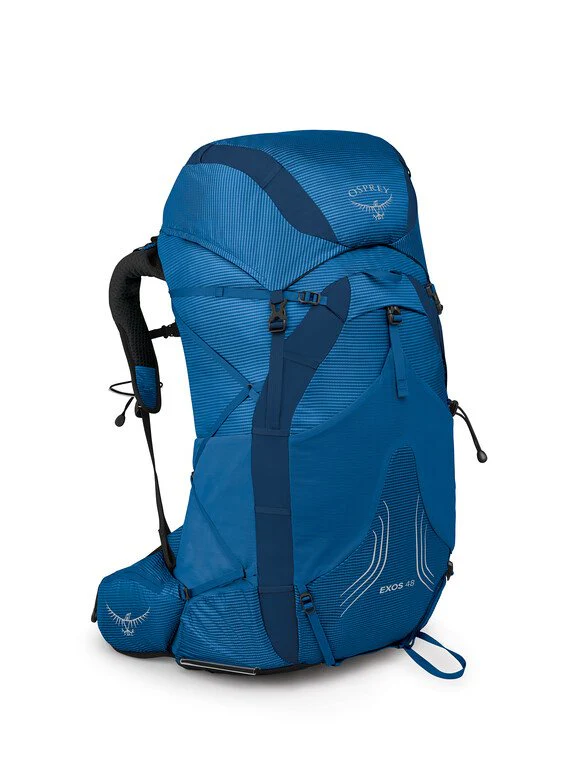
The Osprey Exos 48 is the lighter, smaller sibling of the Exos 58 — same suspension system, same build quality, same AirSpeed ventilated back panel, but 10 litres less capacity and typically $50–$100 cheaper. It is an excellent pack for the right buyer.
The right buyer is an experienced ultralight hiker who carries a highly optimised kit for trips of one to two nights maximum, or a day hiker who wants a premium pack for big single-day objectives. For multi-day Australian hiking with a full camping kit — tent, sleeping bag, stove, food for three or more days — the Exos 48 will be tight and the Exos 58 is the stronger recommendation.
If you are unsure which size you need, default to the Exos 58. Running out of space in a pack on a multi-day trip has no solution on trail.
Key Specifications
| Feature | Value |
|---|---|
| Weight | 1.13kg (medium) |
| Capacity | 48L |
| Frame | AirSpeed suspended mesh, 4mm LightWire |
| Torso adjustment | 4 inches |
| Hip belt | Padded with zip pockets |
| Max comfortable load | ~15kg |
| Materials | 100% recycled nylon |
| Price (AUD) | ~$350–$400 |
| Australian availability | Excellent |
| Best use | Ultralight 1–2 night trips, large day pack |
Who This Pack Is For
The Exos 48 is built for experienced ultralight hikers who have refined their gear setup and know they can pack efficiently within 48 litres, and for serious day hikers who want a premium ventilated pack for big single-day objectives.
It suits:
- Experienced hikers with a highly optimised ultralight setup doing 1–2 night trips
- Day hikers doing long, demanding routes — Blue Mountains ridge walks, Grampians peak objectives, high alpine days
- Hikers who want the Exos quality and ventilation in a lighter, cheaper package than the Exos 58
- Solo hikers who carry minimal gear and know their kit fits comfortably in 48L
Do not buy the Exos 48 if:
- You are doing multi-day trips with a full camping kit including tent, sleeping bag, sleeping mat, stove, and three or more days of food — 48L will be constrained and you will struggle every morning trying to fit everything in
- You are new to multi-day hiking and still optimising your gear — buy the Exos 58 and give yourself room to learn
- You hike with a larger body frame or larger clothing volume — the taper becomes more noticeable
- You are carrying more than 15kg — the Exos suspension starts to feel inadequate at this weight and the Gregory Zulu 55 handles heavier loads better
The 10 Litre Difference — Why It Matters More Than It Sounds
The difference between 48L and 58L sounds modest. In practice it is the difference between packing comfortably and spending twenty minutes reorganising your kit every morning on trail.
A well-organised ultralight setup for a two-night trip — small tent, sleeping bag, sleeping mat, stove with one gas canister, two days of food, rain gear, and a spare layer — will fit in 48L if you are methodical and your gear is compact. Add a third day of food, a slightly bulkier sleeping bag, or any gear that isn’t specifically ultralight, and you will feel the constraint.
For experienced hikers who have done the work of building a genuinely ultralight setup with compact gear choices throughout, 48L is sufficient for most Australian overnight trips. For everyone else, 58L gives you the margin that makes multi-day hiking feel relaxed rather than pressured.
The honest test: lay all your gear out before buying. If it looks like it will fit in 48L with room to spare, buy the 48. If you are mentally moving things around trying to make it work, buy the 58.
What the Exos 48 Does Well
The AirSpeed Back Panel
The same ventilated trampoline-style mesh back panel as the Exos 58 — creating a genuine air gap between your back and the pack body. In Australian summer conditions above 25°C this makes a noticeable difference to comfort. The ventilation reduces heat buildup and back friction over a long day, particularly relevant on warm Australian trail conditions.
Weight and Build Quality
At 1.13kg the Exos 48 is 50g lighter than the Exos 58 — a negligible difference in isolation but part of a broader ultralight ethos where every gram is intentional. The 100% recycled nylon construction is durable for its weight class and Osprey’s All Mighty Guarantee means the pack is repaired for free for life regardless of cause.
The Removable Lid
The Exos 48 lid is removable — replace it with the integrated FlapJacket for a cleaner, lower-profile carry that moves the centre of gravity slightly lower and saves around 100g. For experienced hikers who don’t need the top lid’s storage pockets, this is a worthwhile setup for fast-and-light objectives.
Torso Adjustment
The current Exos 48 offers 4 inches of torso adjustability — a meaningful improvement over earlier size-specific models. This makes getting a good fit more accessible without needing to try in-store, though fitting in-store is still recommended if you have access to a retailer.
Osprey Exos 48 vs Exos 58 — When to Choose Each
| Factor | Choose Exos 48 | Choose Exos 58 |
|---|---|---|
| Trip length | 1–2 nights maximum | 3+ nights |
| Gear setup | Highly optimised ultralight | Standard to ultralight |
| Primary use | Day hiking, overnight | Dedicated multi-day |
| Experience level | Knows their kit precisely | Any level |
| Budget | More price sensitive | Happy to invest properly |
| Body frame | Smaller, less clothing volume | Average to larger frame |
| First multi-day pack | Not recommended | Yes |
For a full comparison see our Osprey Exos 48 vs Exos 58 guide.
Australian Trail Recommendations
Exos 48 — well suited for:
- Blue Mountains day hikes (NSW) — Grand Canyon circuit, Six Foot Track day sections, long ridge walks where a premium ventilated pack earns its place
- Grampians day objectives (VIC) — Pinnacle, Boroka Lookout, longer peak days
- Overnight Blue Mountains trips — one night, minimal kit, experienced hikers
- New Zealand Great Walks single-night sections — hut-to-hut with minimal gear
Use the Exos 58 instead for:
- Any Australian multi-day route with full camping kit — Overland Track, Larapinta, Three Capes, Grampians Peaks Trail
- First multi-day hikes where gear optimisation is still a work in progress
Australian Availability and Pricing
The Osprey Exos 48 is widely available at Paddy Pallin, Anaconda, Wild Earth, Backpacking Light Australia, and Ultralight Gear AU. Pricing typically ranges from $350–$400 AUD — approximately $50–$100 less than the Exos 58. It is also available on Amazon AU and eBay AU.
Given the torso adjustment system, fitting in-store before buying is recommended if you have access to a retailer. The difference between a correctly and incorrectly fitted Exos is significant regardless of size.
Verdict
The Osprey Exos 48 is an excellent pack for the right buyer. The AirSpeed ventilation, premium build quality, and Osprey’s lifetime guarantee make it one of the best options in its category. For serious day hikers and experienced overnight hikers with optimised ultralight setups, it delivers everything you need in a lighter, cheaper package than the Exos 58.
For most multi-day Australian hikers building their kit, the Exos 58 is the stronger recommendation. But if you know your gear fits in 48L and you want to travel as light as possible without compromising comfort — the Exos 48 is the right choice.
Best for: Large day packs, 1–2 night ultralight trips, Blue Mountains, experienced hikers with optimised gear, weight-conscious buyers
Not for: Multi-day trips with full camping kit, new hikers, hikers with larger gear volumes, those needing more than 15kg carry capacity
Check price on Amazon
Check price on eBay
TrailKitLab — written by hikers, for hikers