Bottom Line Up Front
The Big Agnes Tiger Wall UL2 and Nemo Hornet 2P are the two most popular semi-freestanding ultralight tents available to Australian hikers. They are genuinely similar in most ways — both weigh around 1.1kg, both use a two-door two-vestibule design, both are three-season capable, and both are priced in the $480–$650 AUD range.
The decision comes down to one primary factor: how much interior space matters to you.
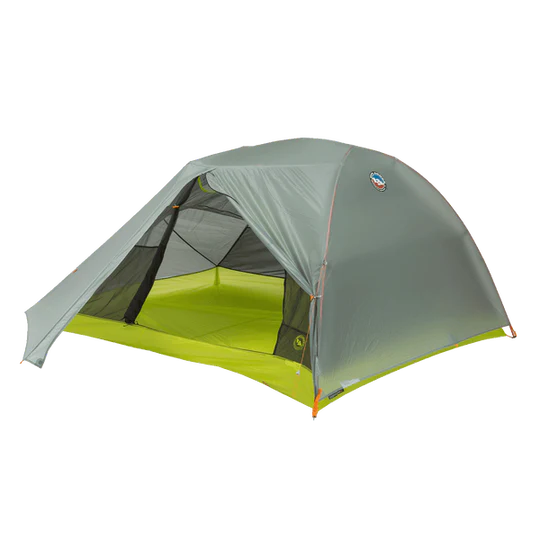
The Tiger Wall UL2 has meaningfully better headroom and interior volume thanks to its crossover roof pole design. If you are sharing the tent with another person regularly, especially on trips where wet weather might keep you inside, the Tiger Wall’s extra livability is worth the modest weight and price premium.
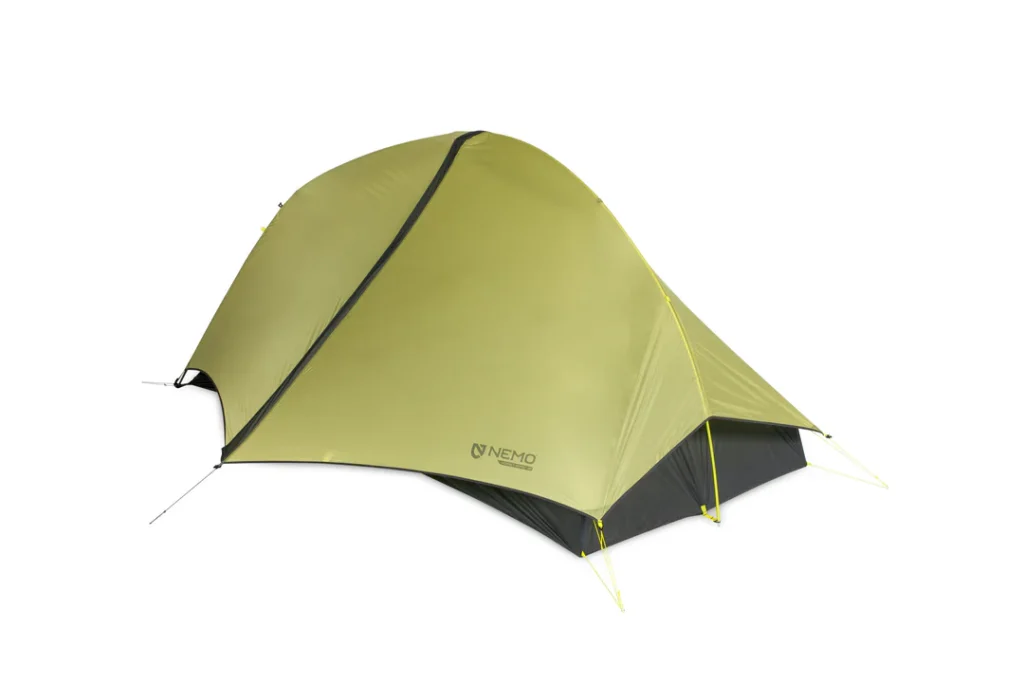
The Nemo Hornet 2P is lighter, slightly cheaper, and more feature-rich for its weight. It is an excellent solo-use tent or for two people who are comfortable in a cosy space and prioritise minimising pack weight above all else.
For most Australian two-person multi-day hiking, the Tiger Wall UL2 is the stronger recommendation. For solo ultralight hikers or pairs who have used a Hornet before and know it suits them, it remains one of the best tents on the market.
Key Specifications
| Feature | Big Agnes Tiger Wall UL2 | Nemo Hornet 2P |
|---|---|---|
| Weight | ~1.13kg | ~1.08kg |
| Floor area | 28 sq ft (2.6 sqm) | 25 sq ft (2.3 sqm) |
| Peak height | 107cm | 97cm |
| Doors | 2 | 2 |
| Vestibules | 2 | 2 |
| Architecture | Semi-freestanding | Semi-freestanding |
| Fly fabric | 20D HyperBead ripstop | 15D ripstop nylon |
| Floor fabric | 20D ripstop | 15D ripstop |
| Price (AUD) | ~$580–$650 | ~$480–$580 |
| Best use | 2-person multi-day hiking | Solo or weight-focused 2-person |
The Semi-Freestanding Question — What It Means for Australian Hikers
Both tents are semi-freestanding, which means they need to be staked out to pitch properly. Unlike a fully freestanding tent that stands on its own and can be picked up and moved, a semi-freestanding tent requires stakes at the corners to achieve its shape and tension.
In most Australian hiking conditions this is a non-issue. Established campsites on trails like the Overland Track, Three Capes Track, and Larapinta have designated tent platforms or cleared areas with soft enough ground for stakes. On these trails you would rarely notice the limitation.
Where it becomes relevant is in more remote or technical environments — rocky sections of the Blue Mountains, granite slabs in alpine NSW, or informal bush camping spots where finding four suitable stake points requires some creativity. If you have camped in the Blue Mountains you will know the experience of spending extra time finding workable ground in rocky terrain. A fully freestanding tent removes that problem entirely. A semi-freestanding tent manages it with patience.
For the majority of Australian hikers doing established multi-day routes, semi-freestanding is an acceptable trade-off for the weight saving. For hikers who regularly camp off-track or in rocky alpine environments, a fully freestanding option is worth considering.
Interior Space — The Real Differentiator
This is where the Tiger Wall UL2 earns its recommendation for two-person use.
The Tiger Wall uses a crossover roof pole that creates steeper side walls and more vertical headroom — 107cm peak height versus the Hornet’s 97cm. That 10cm difference sounds modest on paper. In practice, when you are sitting up inside your tent during a rainy afternoon on the Overland Track, unable to go anywhere, the difference between sitting comfortably upright and having to hunch is meaningful. Over a multi-day trip where you spend real time inside the tent — not just sleeping — the Tiger Wall’s interior volume adds genuine quality of life.
The Nemo Hornet uses a fin-style architecture with no crossover pole, which keeps weight down but creates less useable headroom and a more tapered interior. For one person it is comfortable and well-designed. For two people it is cosy — functional but not spacious. If you and your hiking partner are comfortable in close quarters and primarily use the tent for sleeping rather than spending extended time inside, this is manageable. If either of you is on the larger side or you expect to be tent-bound in wet weather for stretches, the Hornet’s interior will feel constrictive.
Fabric and Durability — An Honest Assessment
The Tiger Wall uses 20D HyperBead ripstop nylon on the fly and floor. The Nemo Hornet uses 15D ripstop — noticeably thinner. Both are ultralight fabrics and both require reasonable care in use.
The practical reality with ultralight tent fabrics: they wear over time and demand attention during setup. The critical moment is tensioning the stakes. Both tents need to be pitched with the right amount of tension — tight enough that the fly does not touch the inner (which causes leaking and condensation transfer), but not so tight that you stress the poles or risk tearing the fabric at attachment points. Getting this balance right takes a little practice but becomes intuitive after a few pitches.
The Tiger Wall’s slightly heavier 20D fabric is more forgiving on rough ground and has better long-term durability. The Hornet’s 15D fabric is lighter but requires more care — particularly on rocky surfaces where ground contact on the floor can cause wear over time. A footprint is worth considering for the Hornet if you use it regularly on rough terrain.
Neither tent is fragile in normal use. Both will last years if handled with care. The Tiger Wall is simply more forgiving.
Trail Recommendations for Australian Hikers
Tiger Wall UL2 — best suited for:
- Overland Track (Tasmania) — 65km, 6 days, unpredictable wet weather, extended time in tent likely. The Tiger Wall’s interior volume earns its place here
- Grampians Peaks Trail (Victoria) — rocky terrain, variable weather, two-person comfort matters
- Falls to Hotham Alpine Crossing (Victoria) — alpine conditions, potentially weather-bound days
- New Zealand Great Walks — variable weather, longer days, shared tent use throughout
Nemo Hornet 2P — best suited for:
- Blue Mountains overnight trips (NSW) — well-established campsites, generally reliable weather, shorter trips where cosy interior is less of a factor
- Three Capes Track (Tasmania) — hut-based with designated tent areas, moderate weather
- Solo use on any Australian trail — the Hornet’s interior is excellent for one person
- Weight-focused setups where pack weight is the primary concern
Big Agnes Tiger Wall UL2 vs Nemo Hornet 2P — Head to Head
| Factor | Tiger Wall UL2 | Nemo Hornet 2P |
|---|---|---|
| Weight | 1.13kg — slightly heavier | 1.08kg — lighter |
| Interior space | Better — crossover pole | Cosy for 2 people |
| Headroom | 107cm — comfortable | 97cm — adequate |
| Fabric durability | 20D — more robust | 15D — requires care |
| Setup complexity | Moderate | Moderate |
| Rocky terrain | Manageable | Manageable with patience |
| Price | $580–$650 AUD | $480–$580 AUD |
| Best for 2 people | ✅ Recommended | Comfortable but cosy |
| Best for solo | Both work well | ✅ Excellent |
| Wet weather use | ✅ Better interior | Functional but tight |
Who Should NOT Buy Either of These Tents
These are specialist ultralight hiking tents and genuinely poor choices for several common use cases:
- Day hikers — no need for a tent at this price point
- Car campers — both tents are small, expensive, and designed for weight minimisation. A $200 dome tent from Anaconda serves this use case far better
- Casual festival or campsite users — same as above, wrong tool for the job
- Hikers who regularly camp on rocky or hard ground — both tents are semi-freestanding and benefit from good stake placement. A fully freestanding tent like the MSR Hubba Hubba or Big Agnes Copper Spur handles difficult ground more easily
Worth noting for cyclists and bikepacking riders: Both tents are actually well suited to bikepacking — ultralight, compact packed size, and the Tiger Wall in particular packs down small enough to fit in a handlebar bag. Big Agnes even makes a specific bikepack version of the Tiger Wall. If you are touring by bike these are worth serious consideration.
Australian Availability and Pricing
Both tents are available on Amazon AU and eBay AU. The Tiger Wall UL2 retails at approximately $580–$650 AUD and the Nemo Hornet 2P at $480–$580 AUD. Both are also available at Paddy Pallin and Wild Earth for those wanting to see them in person before buying — highly recommended for a tent purchase at this price point.
Verdict
Two excellent tents. One clear recommendation for most Australian buyers.
For two-person multi-day hiking in Australia — the Tiger Wall UL2. Better interior space, more robust fabric, and the extra $100 is easy to justify on a piece of kit you will use for years.
For solo hikers or two people who have tried the Hornet and know they are comfortable in it — the Nemo Hornet 2P remains one of the best ultralight tents available.
Tiger Wall UL2 — best for: Two-person multi-day hiking, wet weather routes, Overland Track, Grampians, alpine conditions, bikepacking
Nemo Hornet 2P — best for: Solo hiking, weight-focused setups, Blue Mountains, shorter trips, experienced ultralight hikers who prioritise minimal weight
Tiger Wall – Amazon
Tiger Wall – eBay
Hornet 2P – Amazon
Hornet 2P – eBay
TrailKitLab — written by hikers, for hikers